Illegal Auto Stand Causes Daily Traffic Congestion; Thousands of Patients, Attendants and Commuters Face Severe Hardship as Locals Demand a Permanent Solution
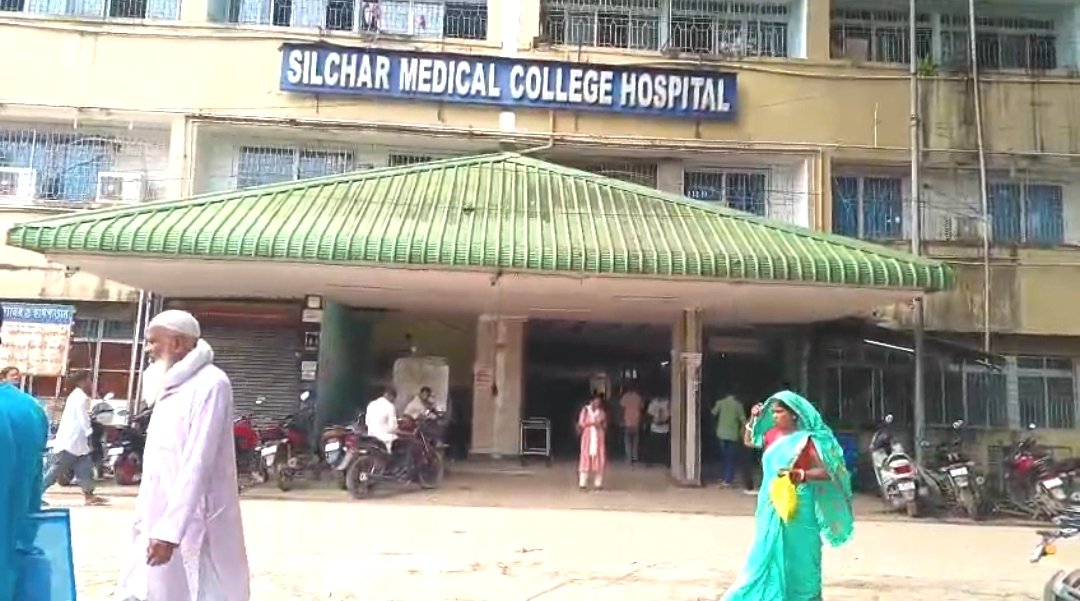
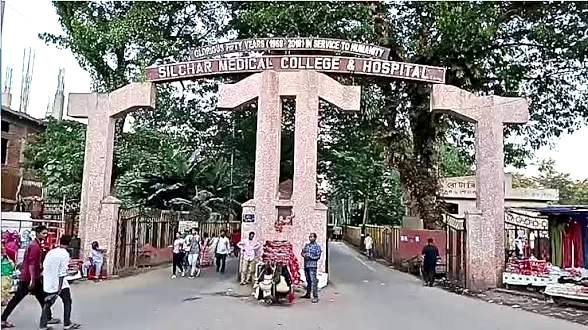
Barak Bani Digital Desk, Silchar, 31 May: Silchar Medical College and Hospital, one of the premier healthcare institutions in Silchar, has come under scrutiny due to the persistent accumulation of garbage and the operation of an illegal auto-rickshaw stand in front of its main entrance. The situation has triggered widespread public concern, with many questioning the apparent indifference of the authorities despite the daily movement of thousands of patients, their relatives, doctors, nurses, healthcare workers, and visitors from distant regions through this route.
According to local residents, a stretch of nearly 200 meters along the boundary wall adjacent to the hospital’s main gate has been used as an unauthorized dumping ground for a prolonged period. Various forms of waste, including plastic refuse, decomposed food materials, drainage sludge, and medical-related waste, have accumulated into massive heaps. Due to inadequate waste management and the absence of regular cleaning operations, the situation has steadily deteriorated.
The problem becomes particularly severe during the hot summer months and the humid monsoon season, when the decomposing waste emits a foul and unbearable stench throughout the surrounding area. Patients and visitors arriving at the hospital are often forced to cover their noses with handkerchiefs or pieces of cloth while passing through the area. Additionally, the garbage heaps have become breeding grounds for mosquitoes, flies, and other disease-carrying insects, raising serious public health concerns.
What is especially alarming is that countless patients, their attendants, and members of the public are required to pass through this unhygienic environment every day. For individuals already suffering from respiratory illnesses, infectious diseases, and other serious health conditions, exposure to such conditions at the entrance of a major healthcare institution poses a significant health risk. As a result, questions are being raised regarding the level of importance being attached to public health protection by the concerned authorities.
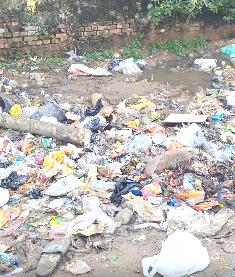
According to concerned citizens, Silchar Medical College and Hospital is not only a vital healthcare facility for Cachar district but also serves as one of the most important medical institutions in the entire Barak Valley. Every day, patients arrive from Hailakandi, Sribhumi, Dima Hasao, and various other districts, as well as from the neighboring state of Mizoram, seeking medical treatment. However, encountering piles of garbage, foul odors, and an unhygienic environment immediately upon entering the hospital premises not only raises questions about the quality of healthcare services but also tarnishes the overall image of Silchar city.
Despite Multi-Crore Sanitation Projects, Ground Reality Disappoints the Public; Questions Raised Over the Effectiveness of the Swachh Bharat Mission
Members of civil society have urged the authorities to launch an immediate cleanliness drive, remove the accumulated waste, and establish an effective and sustainable waste management system in and around the hospital premises. They argue that such conditions should never be allowed to persist outside a major healthcare institution.
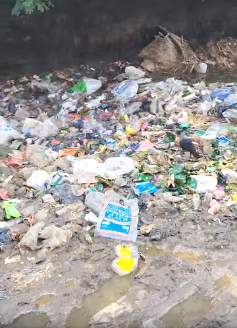
Notably, the road in front of the medical college is also used daily by students, professors, researchers, and staff members of Assam University, the National Institute of Technology (NIT), and several other important educational institutions. The route is frequently used by administrative officials, legislators, Members of Parliament, and other dignitaries. Despite the significance of this location, residents claim that little visible action has been taken by the concerned authorities to address the long-standing problem.
Local residents further allege that stagnant wastewater around the garbage heaps has led to a sharp increase in the mosquito and fly population. This has heightened fears of the spread of communicable diseases such as dengue, malaria, diarrhoea, and typhoid. Many observers have described the situation as a glaring example of administrative failure, particularly given its location outside a major healthcare facility.
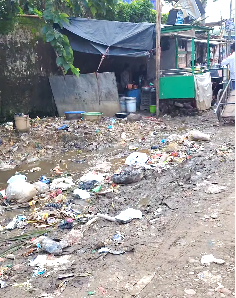
Meanwhile, the situation has been compounded by the presence of an illegal auto-rickshaw stand directly in front of the hospital gate. Residents claim that a portion of the road has effectively been occupied by auto-rickshaw operators for years. The indiscriminate parking of vehicles and the practice of picking up and dropping off passengers at random points frequently cause traffic congestion. Even ambulances transporting critically ill patients are reportedly forced to move slowly through the area.
Relatives of patients have expressed frustration, pointing out that even a delay of a few minutes can make a critical difference in emergency medical situations. However, they feel that this reality is not receiving adequate attention from the authorities.
One patient’s family member remarked, “The conditions outside the hospital do not reflect those of a medical college. The stench is unbearable, and crossing the road has become difficult because of the congestion caused by auto-rickshaws. Do the authorities not see these problems? Another local resident stated, The government spends crores of rupees under the Swachh Bharat Mission and promotes cleanliness across the country. But if such unhygienic conditions exist right in front of a medical college, one has to question the actual effectiveness of these initiatives.”
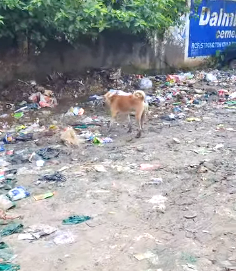
Residents further contend that this is not a new issue. Although the matter has been raised with various authorities on multiple occasions, no permanent solution has been implemented. Occasional cleaning drives are conducted, but the area quickly returns to its previous condition within a few days. Prominent citizens of the city argue that the garbage accumulation and illegal auto-rickshaw stand outside Silchar Medical College represent more than just a local inconvenience. They view the issue as a reflection of broader concerns relating to urban governance, public health standards, and administrative accountability.
Various sections of society have therefore called for the immediate removal of the garbage, regular sanitation drives, the implementation of an efficient waste management system, and the eviction of the illegal auto-rickshaw stand to ensure a permanent solution. Local residents maintain that such unhygienic conditions outside a major healthcare institution are entirely unacceptable. They have appealed to the district administration and hospital authorities to intervene urgently and undertake effective measures to remove the waste, relocate the illegal auto-rickshaw stand, and establish a sustainable waste management mechanism in the area.
The key question now remains whether the authorities will act swiftly and decisively to address this serious public health issue, or whether the piles of garbage and chronic traffic congestion outside Silchar Medical College will continue to be an unfortunate reality for the people of Silchar.


 Barak Bani Dainik