Who has the authority to alter the design of a project inaugurated by the Prime Minister?
Barak Bani Digital Desk, Silchar, November 23: Can the design and original blueprint of a mega infrastructure project, whose foundation stone was laid by the Prime Minister of the country himself, be changed overnight? If such a change is indeed being undertaken, under which legal provisions, by whose authority and following what procedure was the decision taken? These questions have triggered a heated controversy across the Barak Valley over Silchar’s much-awaited Rs 564-crore flyover project.
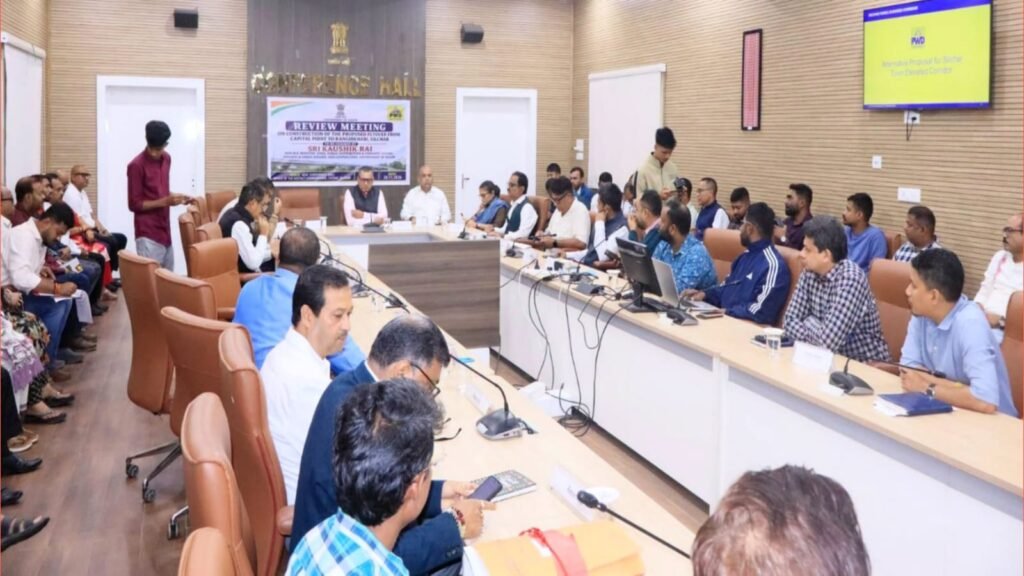
The emergence of a revised proposal, replacing the originally planned 3.5-kilometre continuous flyover with two shorter flyovers and road-widening measures, has sparked widespread resentment among concerned citizens, lawyers, academicians, intellectuals and representatives of civil society. They have questioned the rationale behind the proposed change, alleging that the entire episode reflects administrative shortsightedness and a serious potential waste of public money.
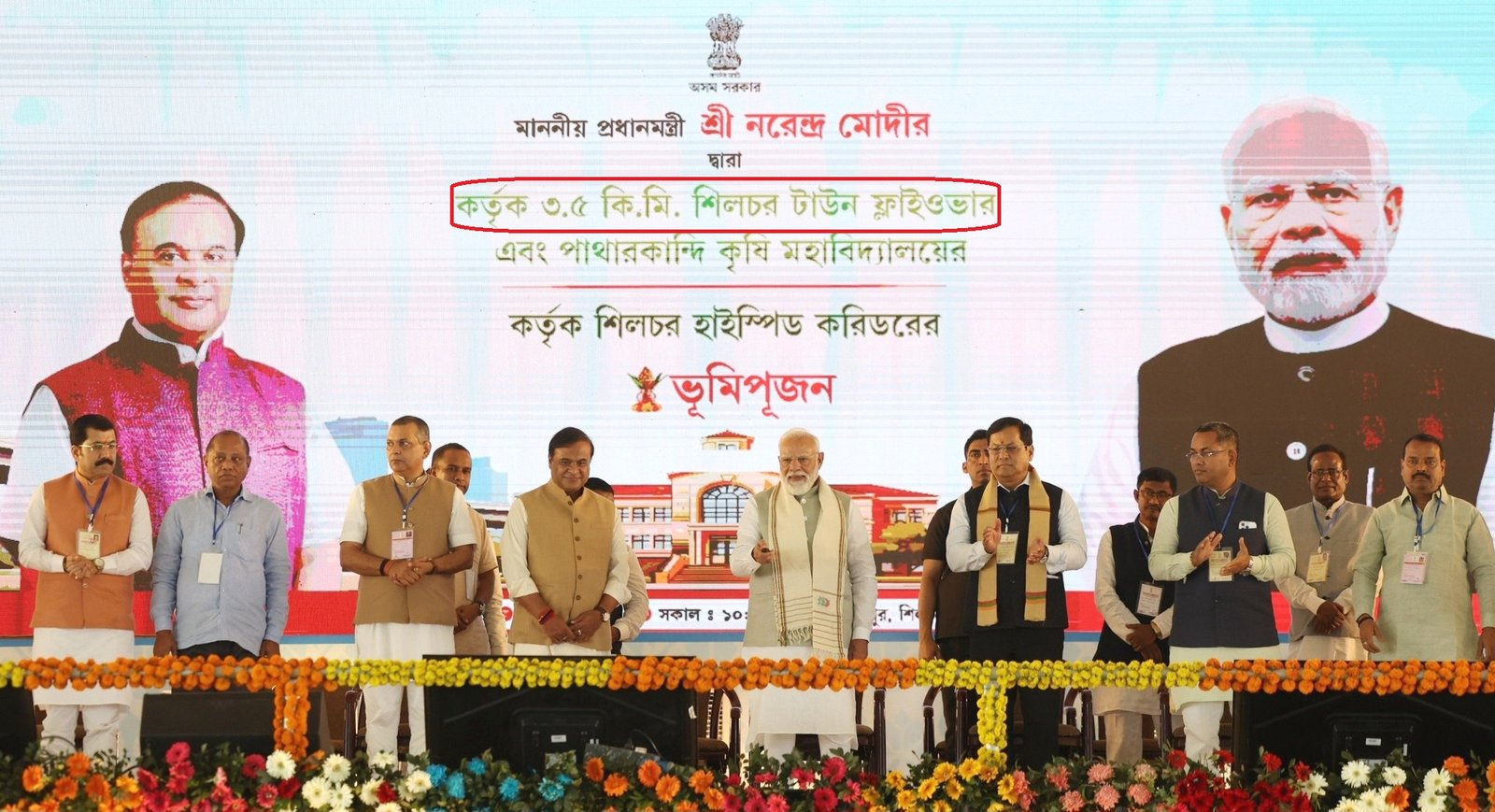
On March 14, 2026, Prime Minister Narendra Modi ceremonially laid the foundation stone for the 3.5-kilometre-long flyover project, aimed at easing Silchar’s chronic traffic congestion. However, within just a few months, moves to alter the original design have triggered strong reactions from eminent lawyers and constitutional experts in the town.
The legal and administrative authority behind the proposed modification has now become a major point of contention. Can a project of such magnitude, once approved by the competent Central or State authorities and formally inaugurated by the Prime Minister, be substantially modified under pressure from the local administration or any particular interest group?
According to the General Financial Rules (GFR) and the relevant Public Works Department manuals governing government construction projects and public expenditure, major structural changes to an approved project ordinarily require fresh technical assessments, approval from the competent authorities and, wherever applicable, clearance from the concerned ministry or higher-level committees, including the Ministry of Finance or the Ministry of Road Transport and Highways, or the relevant State Public Works Department. Depending on the nature and extent of the changes, revisions to the Detailed Project Report (DPR), cost estimates and tender conditions may also become necessary.
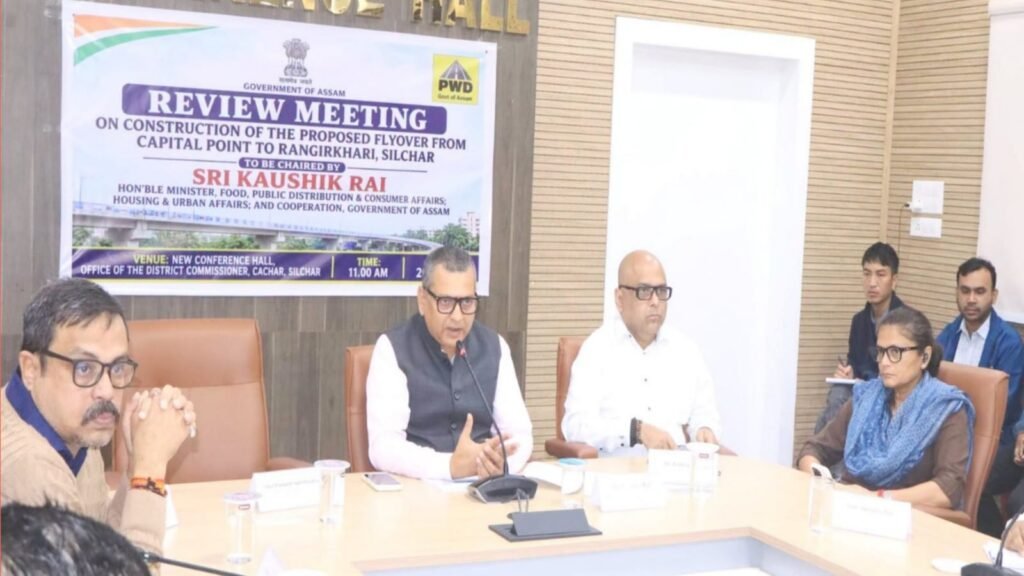
Lawyers have expressed serious doubts over whether the prescribed legal, technical and administrative procedures have been followed in the case of the Silchar flyover. They have also raised the question of whether the Prime Minister has been formally informed about the decision to modify the original project.
Was the Foundation Stone Laid Without a Proper Survey?
Academicians and intellectuals in Silchar believe that the controversy has become a matter of considerable embarrassment for the people of the town. They argue that if the original 3.5-kilometre flyover design was not technically or practically feasible, questions must be raised about the purpose and effectiveness of the extensive surveys and the preparation of the DPR, which reportedly involved substantial public expenditure before the project received approval.
Should the objections raised by sections of the business community, along with the geographical and infrastructural constraints of the town, not have been properly examined before the foundation stone was laid? Or is the technical feasibility argument now being invoked to justify a decision taken under pressure from certain influential sections?
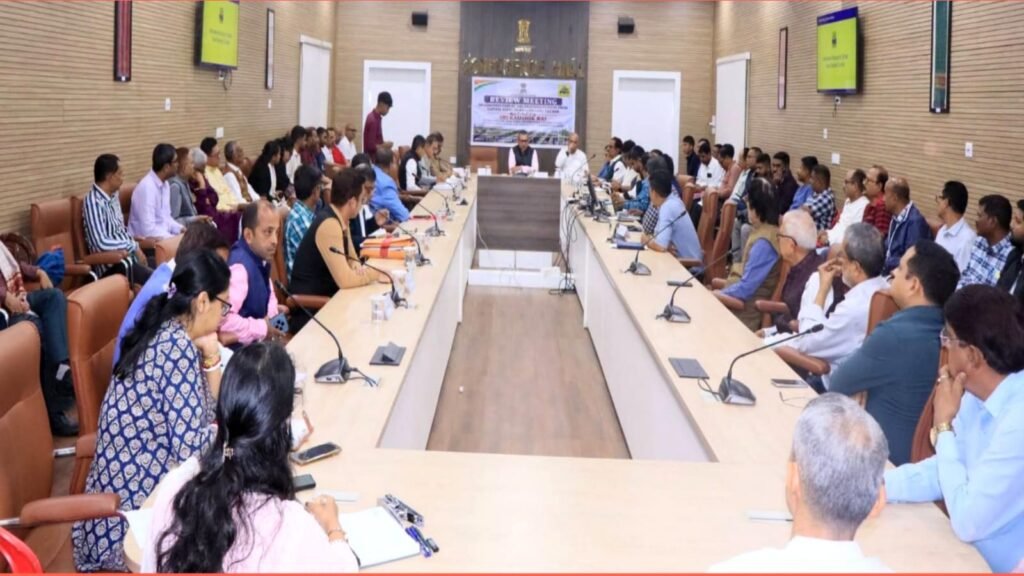
Academicians have questioned whether the entire exercise of laying the foundation stone by the Prime Minister was undertaken without adequate long-term planning. They maintain that repeated changes to the project blueprint raise serious doubts about whether the original plan was prepared after a comprehensive assessment or whether the foundation-laying ceremony was prioritised over proper project planning.
Who Will Be Held Accountable for the Alleged Waste of Public Money?
Representatives of civil society have raised a series of pointed questions before the administration and elected representatives. Who will be held responsible for the substantial public expenditure already incurred on the original design, surveys and related technical preparations? If the revised proposal leads to an increase in the overall project cost, who will be accountable for the additional financial burden on the public exchequer?
Urban planners and concerned citizens have also expressed apprehension that replacing a continuous 3.5-kilometre flyover with two disconnected shorter structures could create fresh traffic bottlenecks at the connecting points instead of resolving the existing congestion. They have questioned whether such a fragmented arrangement can provide a sustainable, long-term solution to the traffic problems of a rapidly expanding city like Silchar, particularly over the next 30 to 40 years.
Meanwhile, repeated modifications to the project design have further clouded its implementation schedule. There is still considerable uncertainty over when construction will actually begin and when the project will finally be completed.
White Paper Demanded to Ensure Transparency and Accountability
The concerned citizens of Silchar have made it clear that they are not opposed to development. They acknowledge that the livelihood and legitimate interests of the business community must be protected. However, they insist that the long-term interests of the entire town and the welfare of lakhs of ordinary residents must receive equal consideration.
According to representatives of civil society, the issue is not merely about constructing a flyover with concrete, steel and stone. It concerns the quality of government planning, administrative transparency and the proper utilisation of taxpayers’ hard-earned money. Silchar does not want to witness political mudslinging or a continuing blame game between rival groups. Instead, people want clear answers from the authorities. How many more announcements, foundation-laying ceremonies and changes in project designs will the people of the Barak Valley have to witness before the long-awaited infrastructure project becomes a reality?
The principal demand of the concerned sections of society is that the authorities immediately publish a White Paper explaining the legal, technical, administrative and financial grounds behind the proposed change in the original flyover design. The people of Silchar are no longer satisfied with assurances or repeatedly revised blueprints. They want a modern, durable and technically sound flyover project, implemented within a clearly defined timeframe, that can genuinely address the town’s growing traffic problems and serve the interests of future generations.


 Barak Bani Dainik